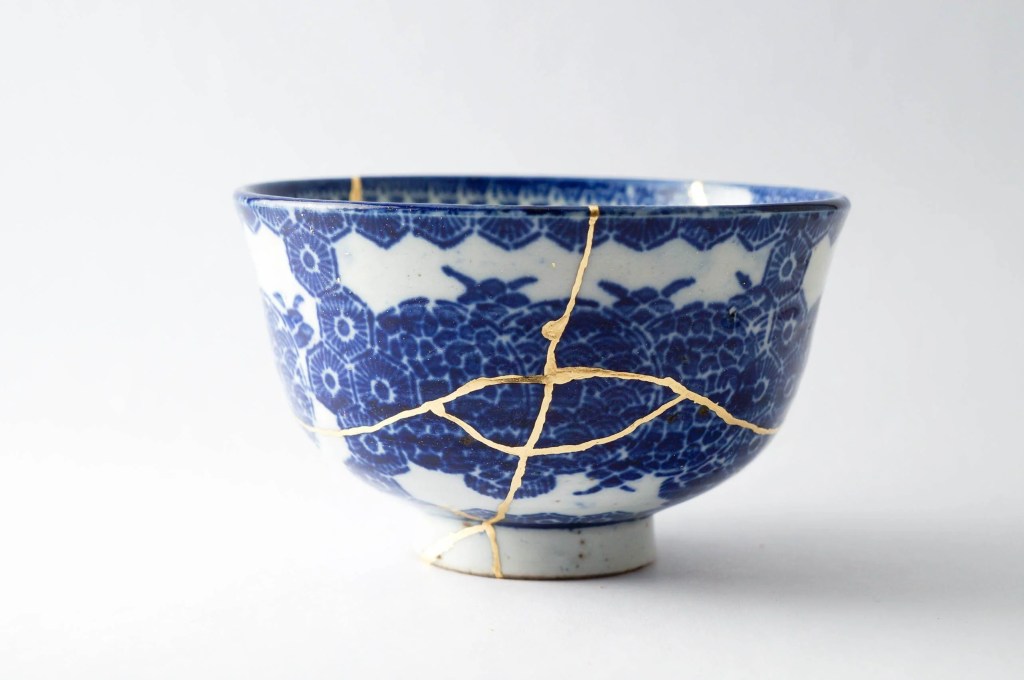
There is an ancient Japanese technique for repairing pottery known as kintsugi, in which broken pieces are joined back together, and the cracks are highlighted with gold or silver. Rather than hiding the damage, the technique celebrates the history of the object and everything it has been through. The cracks become part of its beauty, a reminder that something can be broken and still have value.
This idea has always resonated with me, and at times, it weighs heavily on me.
We are constantly reminded, in one form or another, that what doesn’t kill us makes us stronger. We are encouraged to celebrate our flaws, our struggles, and our trials and tribulations as the things that shape us into who we are. Maybe it’s my realism, or perhaps my cynicism, but sometimes I wonder if we tell ourselves these things simply to make ourselves feel better.
When I was younger, my parents used to tell me that having a bird poop on you was good luck. I always found this hilarious because no one goes out of their way to have a bird poop on them. It was something we only ever said to someone after it happened, which makes me wonder whether it was just a veiled attempt to put a positive spin on an otherwise unpleasant situation.
And isn’t that what we do with so many of life’s hardships?
Nobody actively seeks out adversity or difficult experiences, and yet, when they happen to us or someone we care about, we reach for the same familiar explanations. Everything happens for a reason. God gives his hardest battles to his toughest soldiers. These are the experiences we needed to grow, the lessons we were meant to learn.
But what if that’s all a load of bullshit?
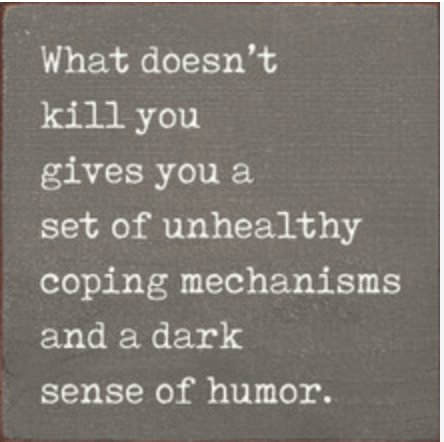
Are we simply trying to make ourselves feel better about things that hurt us? Adversity and hardship are, of course, part of life. Unless we manage to live in a bubble, we will all face any number of challenges throughout our days, weeks, years, and lives. That much is inevitable. I’m not suggesting otherwise. I just wonder what would happen if we stopped trying to justify the difficult things that happen to us.
What if some things simply happened? What if we could acknowledge that hardship is part of being human without needing to assign meaning to every painful experience? Not everything has to be a lesson. Not every struggle needs to serve a greater purpose. Sometimes, bad things happen, and there is no deeper explanation to uncover.
I once read something that suggested we need to reframe the question of why bad things happen to good people. Perhaps the better understanding is that bad things happen to everyone; it’s how we respond to them that matters.
There are days when I wish I hadn’t gone through some of the things I’ve experienced. I don’t want those lessons. I don’t want that growth. The toll it has taken on my mental health, even now, feels far greater than anything I could have gained from the experience.
Yes, I have come out the other side stronger in some ways. I have learned things about myself, and I have grown. But that doesn’t mean I’m grateful for what I had to endure to get here. Both things can be true. I can recognize the ways I’ve changed and still wish I hadn’t needed to change that way in the first place.
Maybe that’s the part we don’t talk about enough. We can acknowledge our resilience without romanticizing what it took to develop it. We can be proud of how we put ourselves back together without pretending we’re glad we were broken.
I’m not entirely sure what the purpose of this post is, other than to get these thoughts out of my head and onto a page. Lately, writing has started to feel cathartic again. Maybe it’s because I have so many ideas constantly bouncing around in my mind, and putting them down on virtual paper helps me make sense of them. Maybe I don’t need to have a clear point or a neatly packaged conclusion. Maybe sometimes, it’s enough to sit with a thought and see where it takes me.
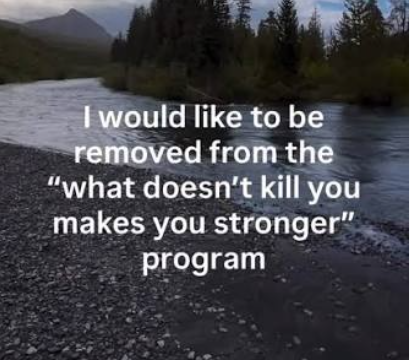
I recognize that my voice and perspective here may come across as jaded. Maybe they are. Maybe I’ve reached a point where I’m less interested in finding the silver lining in everything and more interested in being honest about what things actually cost us.
Perhaps that’s the point.
I still appreciate the beauty of kintsugi. I understand the sentiment behind celebrating the cracks rather than hiding them. But I also think there should be room for the part of us that wishes the pottery had never broken in the first place.
We can find beauty in what remains without pretending we wanted it to break.
This is life. Love, Mom.


Leave a Reply